Building a better evidence base for GRP
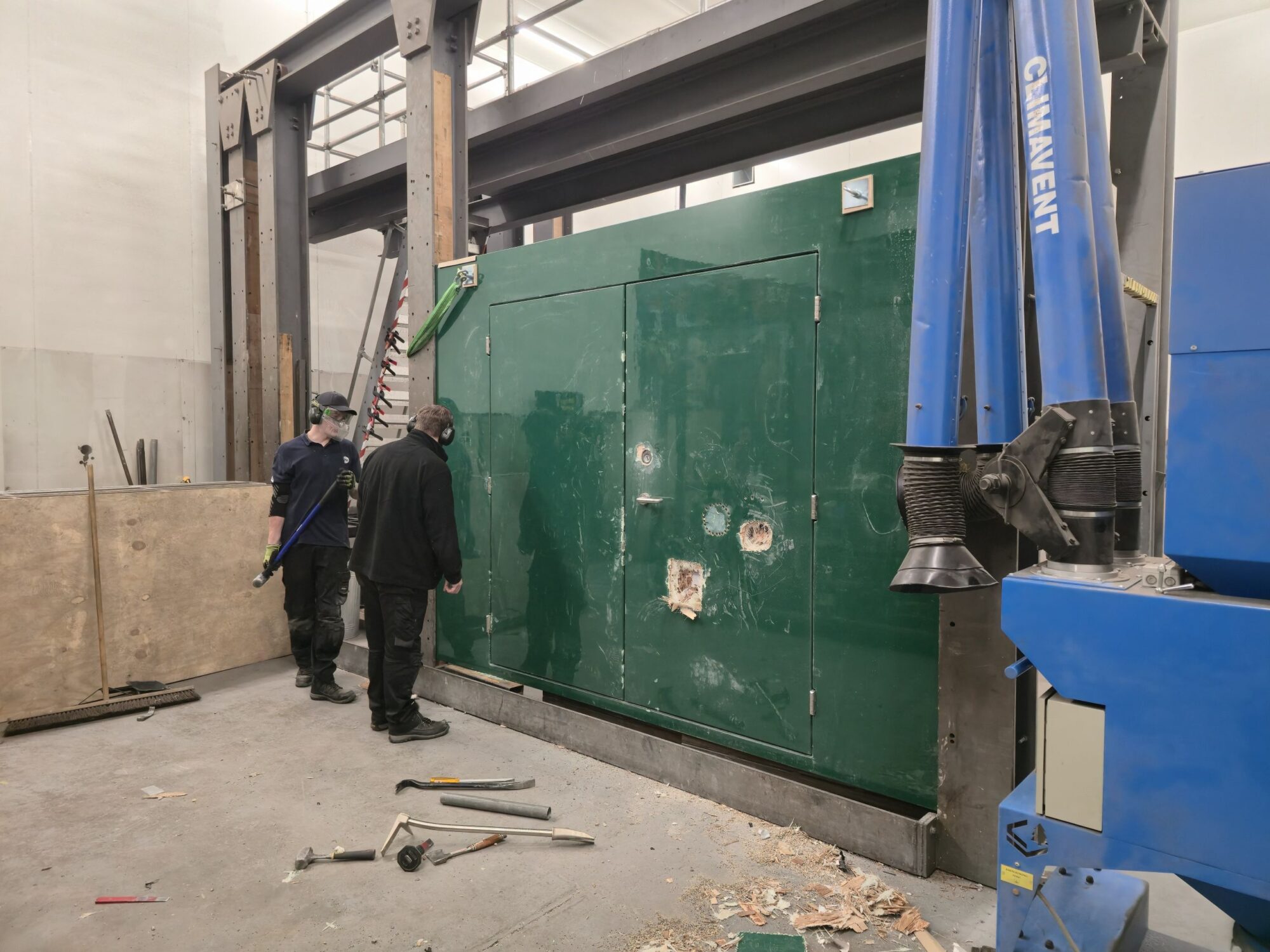
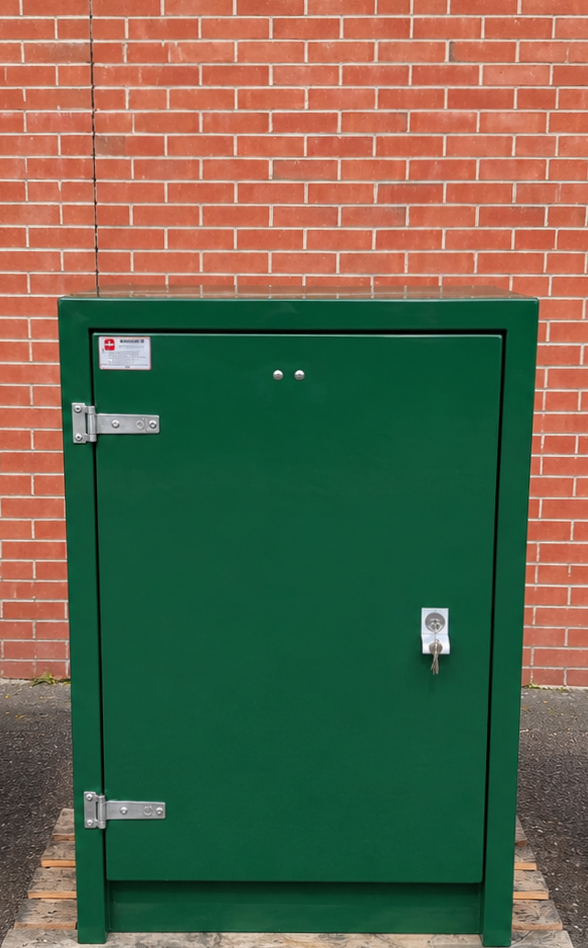
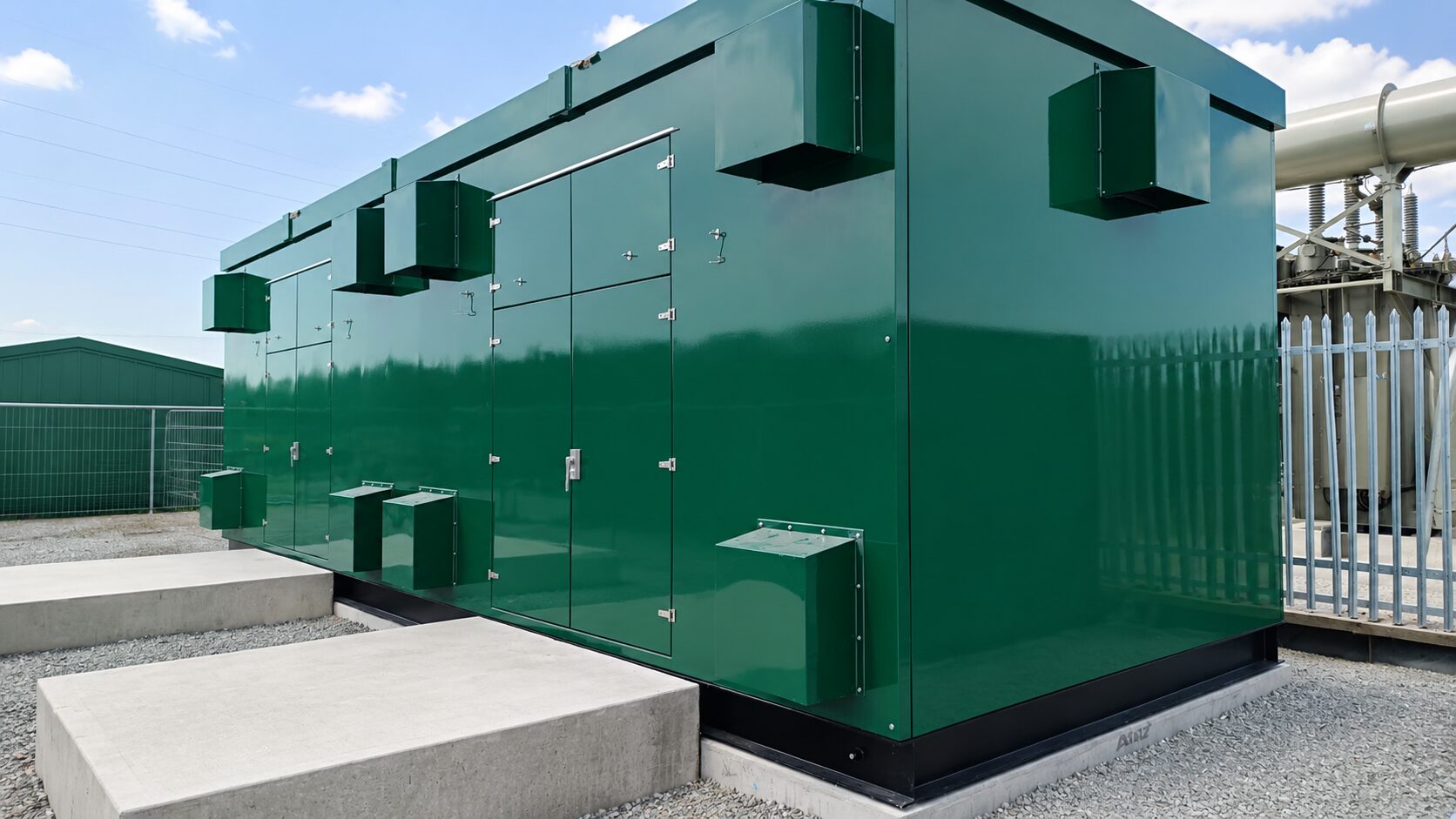
GRP buildings and enclosures are widely used across the water, utilities and infrastructure sectors because of their durability, corrosion resistance and low maintenance requirements. However, the environmental impact data currently available for GRP does not always reflect modern materials, manufacturing methods or the long service life of today’s products.
Previous work with Swansea University identified a significant gap in the data available for GRP, with some procurement frameworks still relying on impact data originating from a 1997 study. This scoping work indicated that the historic figure was approximately 225% higher than conservative estimates based on current Quinshield operations and materials.
Assessing the complete lifecycle
We’re starting a new project with Swansea University to address this data gap by undertake a cradle-to-grave Life Cycle Assessment (LCA) of representative GRP buildings, looking beyond manufacturing alone to understand environmental impact throughout the full product lifecycle.
This whole-life approach is particularly important for durable products such as GRP buildings, where long service life and low maintenance requirements need to be considered alongside the impacts associated with manufacture and eventual end-of-life.
When conducting LCA’s, collecting accurate data on how products are used and maintained is often difficult. We will work closely with our customers to build a robust dataset that represents the real experience of using Quinshields’ GRP enclosures.
Turning data into action
The project will identify impact “hotspots” within our products and supply chain and highlight opportunities for further improvement.
It will also support the development of an independently verified environmental dataset aligned with EN 15804 and c-PCR-029, helping provide more reliable information for Environmental Product Declarations, procurement frameworks and future design decisions that can be used across the UK.
Better product data
Creating representative whole-life environmental data for modern GRP construction.
Identify improvement opportunities
Understanding where the greatest environmental impacts occur throughout the product lifecycle.
Support procurement
Providing more robust evidence for customers, specifiers and procurement teams.
Inform future design
Using lifecycle data to support material selection, manufacturing and product development.
Building on work already underway at Quinshield
The LCA forms part of Quinshield’s wider work to understand and reduce the environmental impact of our products and manufacturing processes.
Current initiatives include working with Swansea University to investigate lower-impact inputs and design changes, such as using bio-based resin technologies and significantly reducing the amount of steel required within our GRP building construction.
- Bio-based resins
Exploring and implementing alternatives to conventional petrochemical resin systems.
- Reduced steel usage
Steel is now primarily limited to components such as hinges and fixings where required.
- Positive procurement choices
Working with Swansea University to investigate alternative materials and supply-chain opportunities.
- Lifecycle assessment
Moving towards quantified environmental data to support future product and procurement decisions.

Working in partnership
The project builds on Quinshield’s existing collaboration with Swansea University and is funded through the Place Based Impact Accelerator Account: Switch Net Zero Buildings Swansea (PBIAA: SNZB) programme.
Looking ahead
Developing reliable whole-life environmental data will allow Quinshield to better understand the impact of our products, identify further opportunities for improvement and give customers more robust evidence when comparing construction solutions.
We look forward to sharing further updates and findings as the project progresses.
Find out more about the project
Read Swansea University’s full project article to learn more about the research, the Life Cycle Assessment and the wider work to improve environmental data for GRP construction.